
Brands shifting towards sustainable and conscious marketing is not a first-of-its-kind initiative. It has been happening for a long time, but the recent shift towards consumers becoming environmentally conscious has pushed marketers to change their advertising strategy.
With governments across the world mandating CSR and ESG activities for companies, consumers have also changed their consumption and decision-making processes to indulge in sustainable brands and products.
This has led to an increase in brands creating sustainable ads and marketing campaigns portraying their products as environmentally conscious.
There are many more brands that, in this day and age, have started focusing on ad promotions targeting an audience that cares about the environment, as well as enlightening those who do not show as much care. Here are some of the most popular ad campaigns about the environment launched by iconic brands.

Lacoste
Lacoste, in partnership with the International Union for Conservation of Nature (IUCN), launched the ‘Save Our Species’ campaign at Paris Fashion Week 2018 to raise awareness about some of the environment’s endangered species.
The brand launched a limited 10-piece collection of polo t-shirts, where the iconic crocodile Lacoste logo left its place and was replaced by 10 critically endangered species of the world.
It was a good marketing move, with its limited edition collection raising funds and awareness. The campaign was launched in the integrated media format, where they featured social media influencers to promote the line, which, needless to say, blew up, leading to the entire collection being sold out within 24 hours.
The campaign received widespread acclaim and won 10 Cannes Lions Advertising awards.
Kia
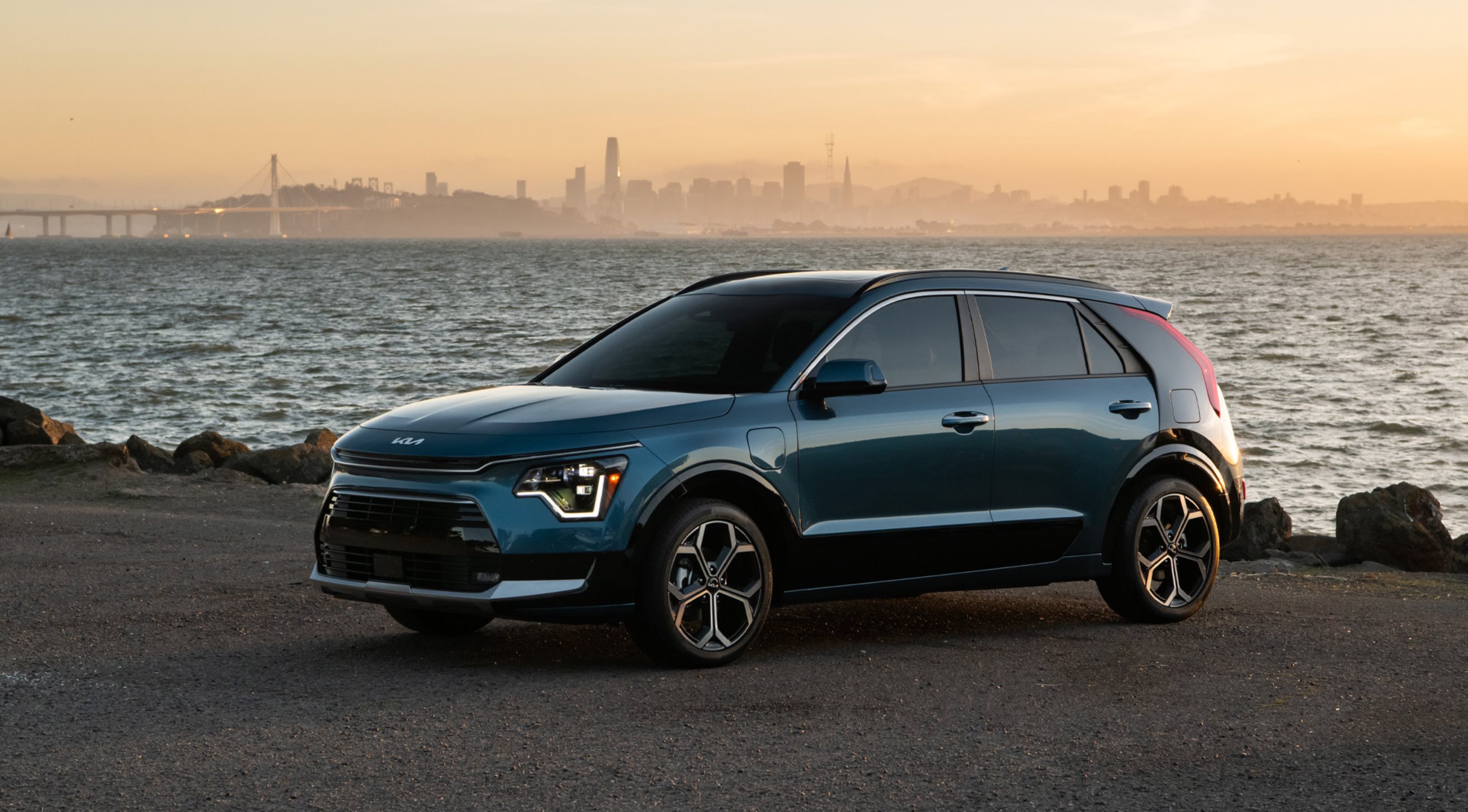
When people think about cars, being sustainable or environmentally friendly might be the last thing on the checklist, but Kia tapped into that exact concept in one of its ad campaigns.
Kia Niro changed this perception when it launched its ‘Hero’s Journey’ campaign, featuring the famous Melissa McCarthy. The launch of this ad was also glamorous, as it was shown worldwide during the Super Bowl 2017 as a part of Kia Motors’ campaign.
The ad portrayed McCarthy as a hero who was trying to save the planet in various scenarios. It aimed to promote the fuel efficiency and practicality of the Kia Niro.
It was launched with the tagline: “It’s hard to be an eco-warrior, but it’s easy to drive like one.” Combining both gave Kia Niro the push it needed towards being termed as an environmentally conscious brand.
Adidas
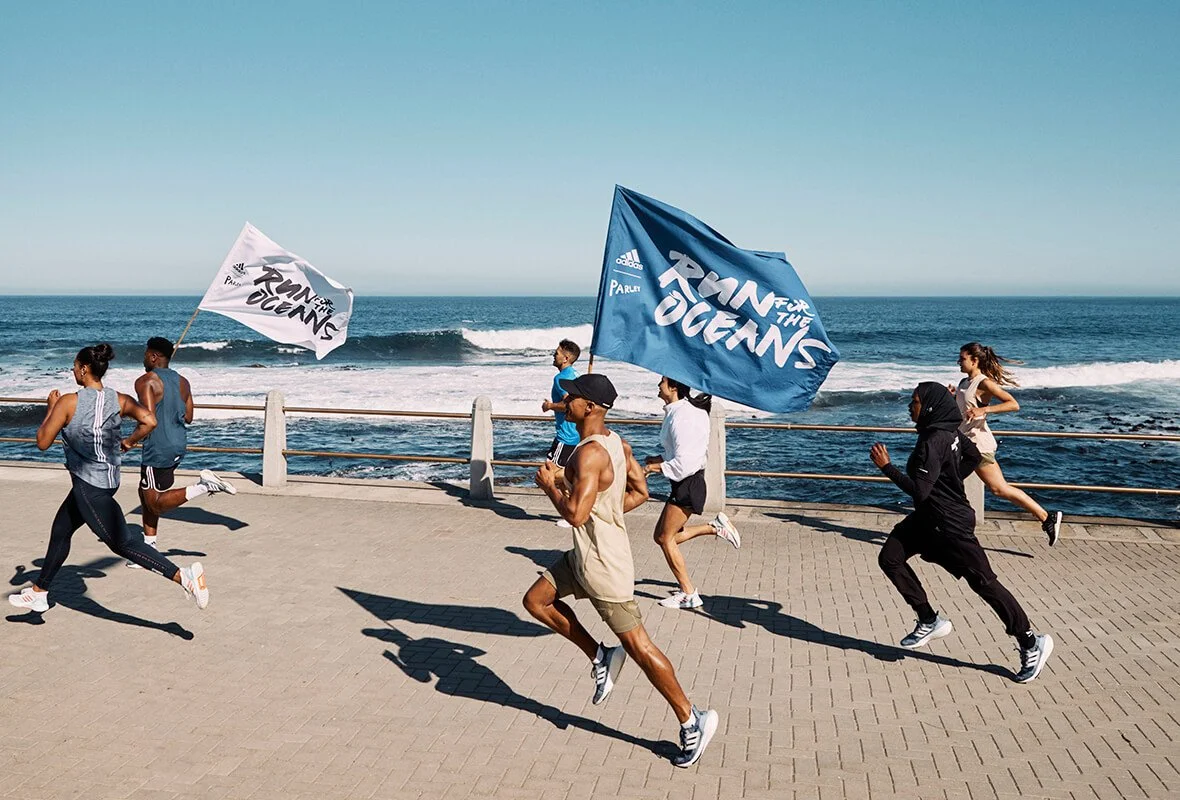
In collaboration with Parley, Adidas launched its ‘Run for the Oceans’ campaign in 2017.
It was launched with the tagline: “It’s Us v/s Plastic Waste.” With the belief that sports and activism together have the power to drive change, Adidas promoted its UltraBOOST Parley shoe, the upper knit of which was made up of Parley Ocean Plastic – a textile made from recycled plastic retrieved from coastal communities and beaches.
Plastic waste in the oceans is rising every day, causing harm to marine life and the environment. With this initiative, Adidas donated US$1 for every kilometre run to the Parley Ocean Plastic Programme.
The Run for the Oceans campaign is a constant reminder to end marine plastic waste.
Adidas wrapped up its last edition in 2022 with a plastic waste cleaning campaign with a target of removing 250,000 kg of plastic waste from beaches and coastlines. Still, its journey to promote a sustainable and eco-friendly lifestyle continues.

Christian Dior
The luxury house of Christian Dior, in collaboration with WWF, launched a campaign to regenerate 15,000 hectares of natural corridors so that biodiversity can thrive in its commitment to re-establishing more wild spaces from Mexico to the US.
Christian Dior Parfums is also working to conserve forest habitats in parts of France. Two animal species that the campaign highlights to stabilise are the Eurasian Lynx and jaguars, which have become increasingly endangered in the last few years.
This campaign echoes Dior Sauvage’s fragrance signature, An Ode to Nature. Dior’s commitment to reducing its carbon footprint extends beyond this partnership with broader efforts to incorporate sustainable practices across all its products and practices.
Following this campaign, Dior launched several partnerships working towards the regeneration of natural corridors, which are also listed on their website.
Patagonia
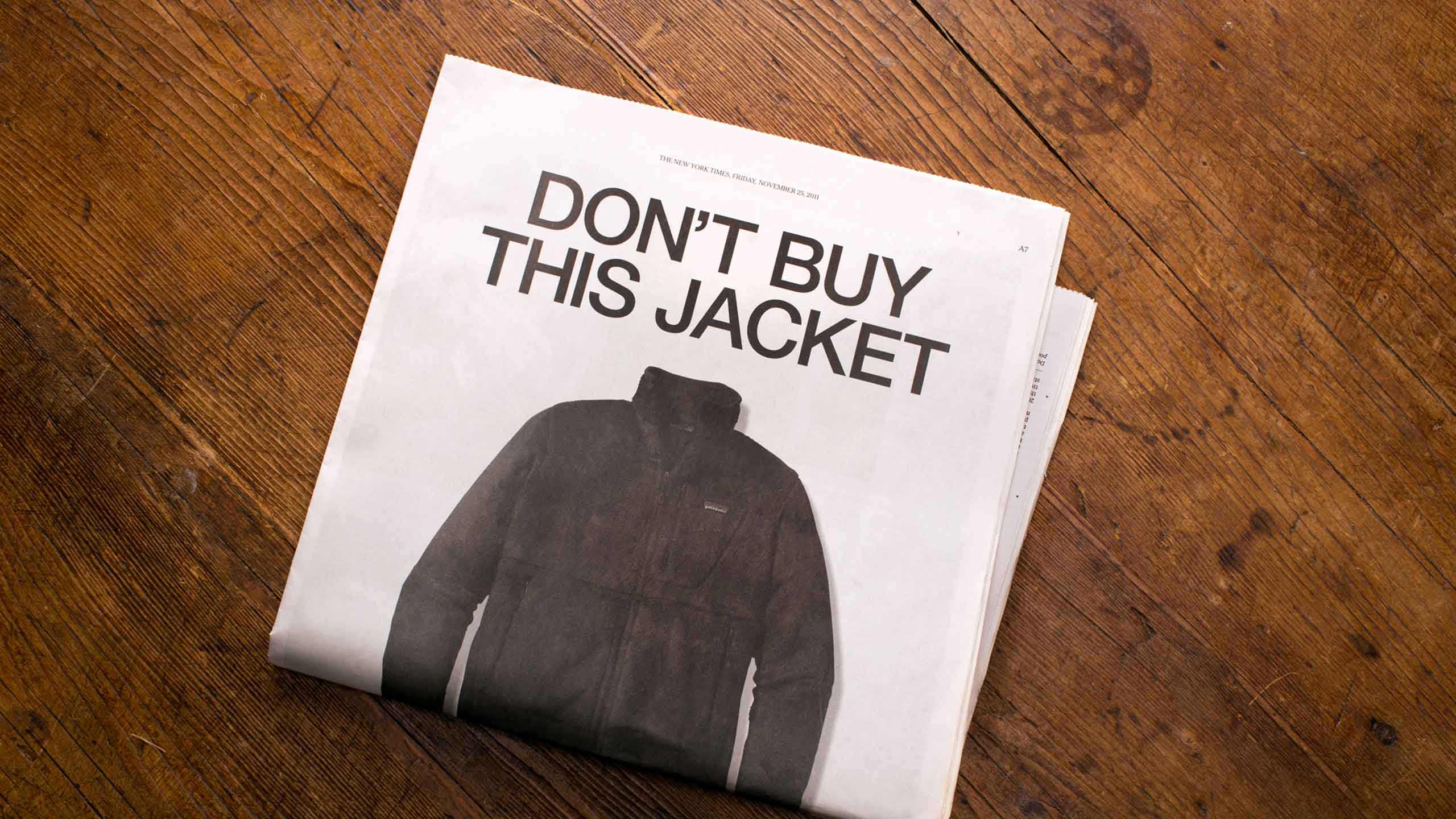
In an interesting turn of events, Patagonia released a ‘Don’t buy this jacket’ print ad before Christmas, leaving people confused about what the brand was trying to convey.
This PR campaign was created to cause exactly that effect – part nudge and part shock. The ad intended to encourage people to reflect on consumerism and its effects on the environment.
It urged people to buy only what they need, in contrast to the very popular trend of overconsumption in the market and on social media these days.
The campaign was seen as highly risky. The European Marketing Director of Patagonia defended it, saying that their customers return to them for their high quality, and that this ad simply reflects the strong brand values they want to instil in their consumer community.

Nike
To emphasise the importance of recycling and reusability, Nike launched their Reuse-a-Shoe campaign, where the company nudged its customers to leave their used athletic gear with the company instead of throwing it away.
Nike would either recycle it or donate it to someone in need. The idea was simple – the customers drop their used Nike athletic shoes at the nearest participating Nike store, and it’d be sorted further by experts to determine whether to recycle or donate the shoes.
The program proved to be a great success, with almost 28 million shoes dropped off at Nike stores for the purpose of recycling or donation since its inception.
This campaign was a step towards reducing the waste that ends up in landfills by thousands of tonnes every year. The reuse-a-shoe campaign is a key component of Nike’s ‘Move to Zero’ initiative – the company’s goal of becoming zero carbon and zero waste.

Coca-Cola
To combat the problem of plastic waste, Coca-Cola launched the ‘PlantBottle’ campaign. In 2009, at the World Expo in Milan, the brand introduced a fully recyclable PET plastic bottle, made partly from plants, which ultimately reduced the use of petroleum by replacing it with materials from sugarcane and other plants.
It was the world’s first PET bottle made entirely from plants. This campaign was a push towards the circular economy and sustainable packaging solutions.
The bottles used earlier were made from fossil fuels and other non-renewable materials. The progress today can be seen in how Coca-Cola manufactures its bottles using sugarcane waste from the sugarcane manufacturing process to create PlantBottle packaging.
Coca-Cola assures its customers that switching to the PlantBottle does not compromise the product experience or the quality; it rather enhances it through innovative packaging technology.

Nissan
In 2010, Nissan launched an ad titled “Polar Bear” for the launch of the Nissan Leaf – a zero-emission, 100% electric vehicle.
The ad was widely talked about as it showed a sad polar bear witnessing its Arctic home melt away, after which it journeys from the icy north, swimming and walking through forests and highways to reach the big city.
In the suburbs, the polar bear finds a man, the owner of an all-electric Nissan Leaf, who is trying to help the animal. The ad hit an emotional chord among the viewers by portraying how people’s actions do not just affect the environment, but also the lives of so many living beings.
The ad ends on a sweet note with the polar bear hugging the driver of the Nissan Leaf.

Trainline
The importance of public transport was highlighted by Trainline through its ‘I Came by Train’ campaign. An unbranded out-of-home (OOH) campaign, it talked about the benefits of travelling by train instead of flying or driving a personal vehicle.
The OOH campaign had multiple ads, ranging from emotional to humorous tones. The campaign was launched in the United Kingdom during the time of the Glastonbury Festival in 2024, when the surge of tourists significantly increased in the country.
Trainline promoted this campaign by urging people to travel by train as a greener and cleaner choice. The results were visible when the last week of June 2024 saw a 225% increase in train travel to Castle Cary and nearby stations. The campaign was created to reduce the CO2 emissions in the UK by eight million metric tonnes by 2035.

IKEA
The ‘Climate Action Starts at Home’ campaign was launched by IKEA to inspire individuals to adopt sustainable practices in their daily lives, starting at home.
IKEA plans to become a people and planet-positive brand with their initiatives. This campaign was launched with a research report that was presented at the UNFSCCC COP24 conference.
It contains online resources and recommendations that help consumers live their lives in an environmentally friendly manner. Simple changes in our daily habits, such as air drying our clothes rather than tumble drying, are a great way to save energy and use renewable resources to the fullest.
The campaign celebrated “everyday climate heroes” who make small changes in their lives that lead to a bigger positive impact on the planet.